
Shopping for cannabis in Massachusetts can feel like a guessing game when prices for similar products range from $15 to $50 depending on which dispensary in MA you visit. Understanding how to compare value by gram helps you get quality cannabis without overspending, whether you’re buying flower, edibles, or concentrates. The key is looking beyond the sticker price to find what actually gives you marijuana bountiful benefits for your money.
Table of Contents
The MA Cannabis Market Landscape
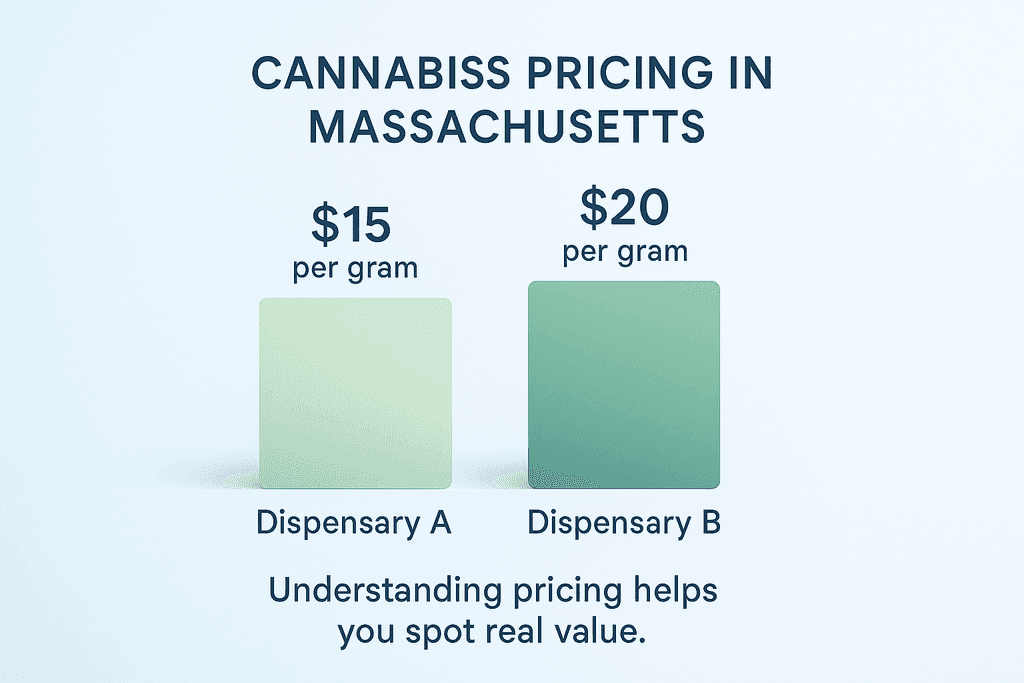
Massachusetts cannabis prices can swing wildly depending on where you shop and what you buy. A gram of flower at one dispensary in MA might cost $15, while another charges $20 for the same quality. The state’s cannabis market has grown fast since legalization, but that growth hasn’t always meant better deals for customers. Understanding how pricing works helps you spot real value when you see it.
What Drives Cannabis Prices in Massachusetts
Several factors push prices up or down at your local dispensary. Location matters more than you might think, with urban shops often charging more than rural ones. Product quality, brand reputation, and even the time of year can change what you pay.
Here’s what affects your final cost:
- State excise tax of 10.75% on all cannabis purchases
- Local taxes that can add another 3% depending on your city
- Cultivation costs that vary by growing method
- Testing requirements that add to production expenses
- Competition levels in different regions
Product Types and Their Price Ranges
Different cannabis products come with different price tags. Flower typically costs less per dose than edibles or concentrates, but that doesn’t always mean better value. Marijuana bountiful options exist across all categories if you know where to look.
| Product Type | Typical Price Range | Average Cost Per Dose |
|---|---|---|
| Flower (1/8 oz) | $35-$60 | $3-$6 |
| Edibles (100mg) | $20-$35 | $2-$3.50 |
| Concentrates (1g) | $40-$80 | $4-$8 |
| Vape Cartridges (0.5g) | $35-$55 | $3.50-$5.50 |
Products like the COAST Cannabis Co. Berry Boost gummies at $22 for 100mg fall on the lower end of edible pricing. That works out to about $0.22 per milligram, which beats many competitors in the state.
How Taxes Eat Into Your Budget
Massachusetts doesn’t make it easy to calculate your final cost. The state layers multiple taxes on top of the base price, and they add up fast. A $20 product can easily become $27 or more after all taxes hit.
The tax breakdown looks like this:
- Base product price set by the dispensary
- 10.75% state excise tax applied first
- 6.25% state sales tax on top of that
- Optional local tax up to 3% in some cities
Smart shoppers factor these costs in when comparing products. Some dispensaries advertise pre-tax prices while others show the full amount. Always check which number you’re looking at before you assume you’ve found a deal.
Breaking Down Cost Per Milligram
Most people shopping at a dispensary in MA look at the price tag and call it a day. But that’s like buying a car based only on the sticker price without checking the gas mileage. The real way to compare cannabis products is by looking at cost per milligram of cannabinoids. This simple math tells you what you’re actually paying for, not just what the package costs. When you start doing the calculations, you’ll notice some products that seem expensive are actually better deals than the cheap stuff.
Breaking Down Cost Per Milligram
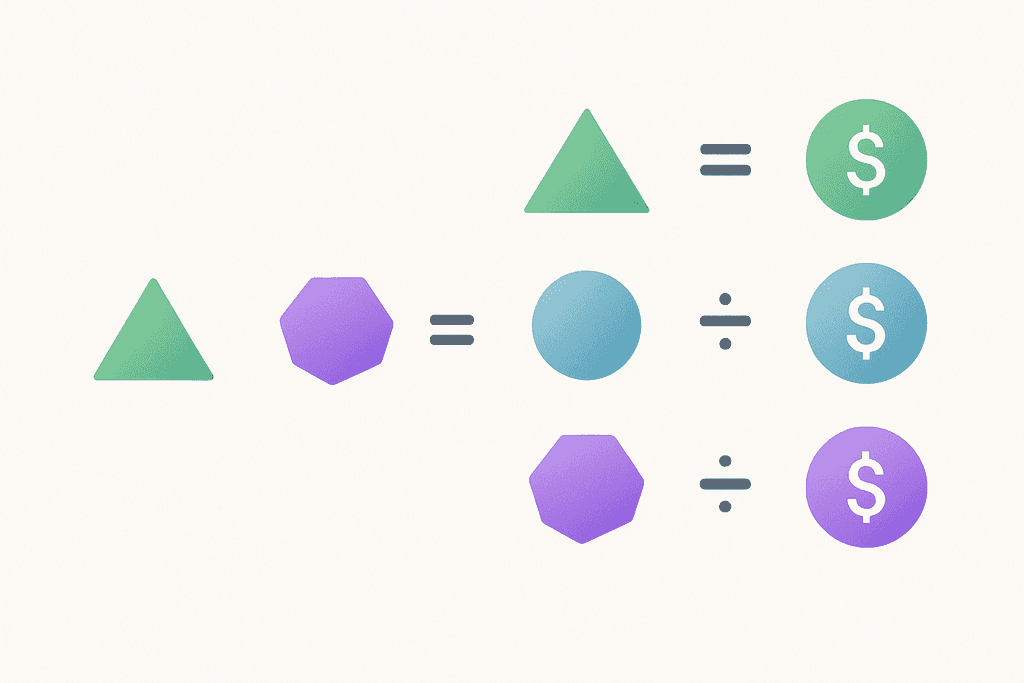
Here’s how the math works. Take the total price and divide it by the total milligrams of active cannabinoids. So if you buy a 100mg edible for $22, you’re paying $0.22 per milligram. That’s your baseline number for comparison.
Why this matters more than you think:
- A $30 product with 200mg costs less per dose than a $20 product with 50mg
- You can compare completely different product types on equal footing
- It shows you which dispensaries actually offer value versus just marketing hype
- Helps you budget better when you know exactly what you’re getting
The COAST Berry Boost gummies sit at that $0.22 per milligram mark, but there’s more to the story. These aren’t just THC gummies. They pack a 1:1:1 ratio of THC, CBC, and THCV, which means you’re getting 100mg total of three different cannabinoids working together. When you factor in the additional compounds, the value equation shifts in ways that simple THC calculations miss.
Research on cannabinoid interactions shows that multiple compounds working together can create effects that isolated THC can’t match. So you’re not just buying milligrams, you’re buying a different experience altogether.
Flower vs Edibles vs Concentrates
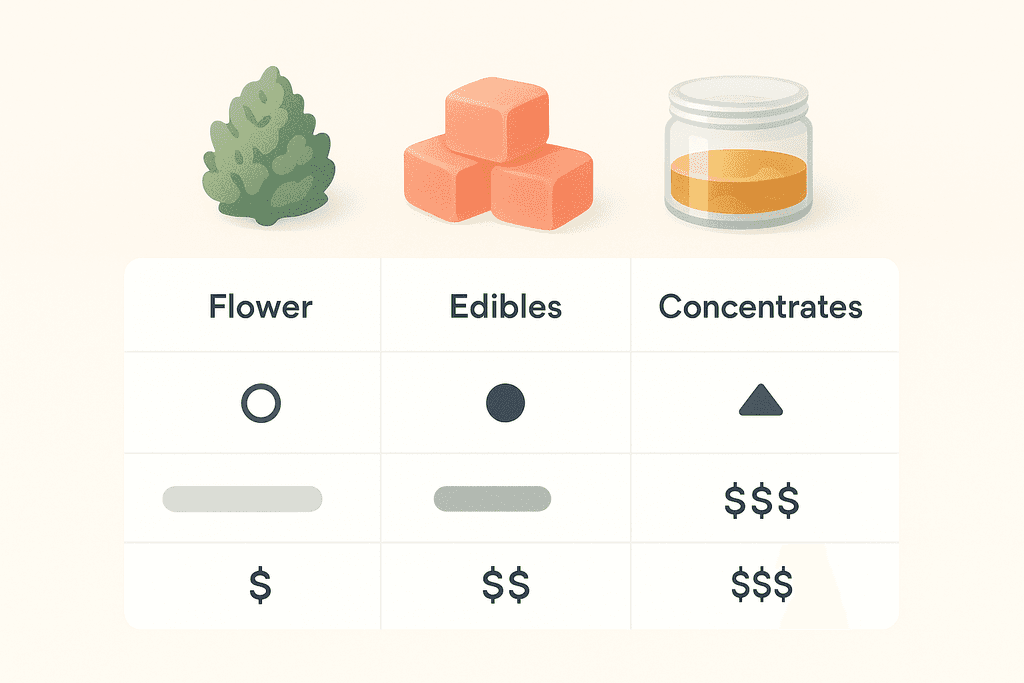
Walk into any marijuana bountiful dispensary and you’ll see three main categories taking up shelf space. Each format has its own pricing structure, and comparing them isn’t always straightforward. Flower typically runs $10-15 per gram in Massachusetts, with THC content ranging from 15% to 30%. That means you’re getting 150-300mg of THC per gram, putting the cost somewhere between $0.03 and $0.10 per milligram on the low end.
Flower vs Edibles vs Concentrates
But flower comes with trade-offs. You need equipment to use it, the effects hit faster but don’t last as long, and dosing precision is basically guesswork. Studies on cannabis quantity estimation show that most people can’t accurately judge how much they’re consuming with flower.
| Product Type | Typical Cost/mg | Duration | Dosing Accuracy |
|---|---|---|---|
| Flower | $0.03-$0.10 | 2-3 hours | Low |
| Edibles | $0.15-$0.30 | 4-8 hours | High |
| Concentrates | $0.05-$0.15 | 3-4 hours | Medium |
Edibles cost more per milligram, but they solve the dosing problem completely. Each gummy or chocolate square contains an exact amount. The effects last way longer too, sometimes up to eight hours. For people who need consistent relief throughout the day, that extended duration means fewer doses and better planning.
Concentrates fall somewhere in the middle. They’re potent and relatively affordable per milligram, but they require special equipment and some experience to use safely. The learning curve keeps a lot of people away, even though the math looks good on paper.
The COAST Berry Boost gummies fit into the edibles category at $0.22 per milligram, which is right in the middle of the typical range. You’re paying a bit more than flower, but getting exact dosing and that multi-cannabinoid formula that standard flower can’t provide.
Smart Shopping at MA Dispensaries
Most people walk into a dispensary in MA and grab whatever catches their eye on the shelf. That’s exactly what budtenders at places like Ethos Cannabis count on, because impulse buys rarely mean the best value for your wallet. The truth is that finding marijuana bountiful options at fair prices takes a bit of strategy, but it’s not rocket science. You just need to know what questions to ask and which red flags to watch for when you’re browsing those glass cases. Smart shoppers in Massachusetts can save hundreds of dollars a year just by changing how they approach each dispensary visit.
Questions That Reveal Real Value
Your budtender knows more than they’re telling you upfront. The key is asking the right questions that cut through the sales pitch and get to actual value.
- What’s your best price per milligram for edibles this week
- Do you have any bulk discounts that aren’t advertised on the menu
- Which products are about to go on sale in the next few days
- Are there any loyalty points I can stack with current promotions
These questions force budtenders to think beyond their usual script. Most dispensaries have unadvertised deals or upcoming promotions that staff know about but won’t mention unless you ask directly.
Spotting Fake Deals From Real Savings
Marketing hype loves to dress up regular prices as special offers. A “20% off” sticker means nothing if the base price was inflated last week. Compare the sale price to what competitors like Boterama charge for similar products, not to the dispensary’s own inflated “regular” price.
| Red Flag | What It Means |
|---|---|
| Permanent “sales” | Inflated base pricing |
| Bundle-only deals | Moving slow inventory |
| New product hype | Premium pricing test |
Timing Your Purchases Right
Massachusetts dispensaries follow predictable pricing patterns throughout the year. January and February typically see the lowest prices as shops clear inventory after the holiday rush. Summer months bring mid-range pricing, while October through December commands premium rates.
- Mondays and Tuesdays often feature weekday discounts
- End of month sales help dispensaries hit revenue targets
- Holiday weekends usually mean higher prices, not lower
Loyalty Programs Worth Your Time
Most dispensary loyalty programs sound better than they actually perform. A typical program offers 1-2% back in points, which barely covers the gas you spent driving there. The real value comes from stacking loyalty points with existing sales and using them on already-discounted items.
Products like our COAST Cannabis Co. Berry Boost gummies at $22 for 100mg represent solid baseline value at $0.22 per milligram. When you can stack a loyalty discount on top of that, you’re actually getting somewhere with your savings strategy.
Quality Versus Quantity Decisions
Cheap isn’t always cheerful when it comes to cannabis products. Sometimes paying $5 more gets you a product that actually works as intended, which beats buying twice as much of something that disappoints.
- Check lab testing dates and potency verification
- Read actual customer reviews, not just star ratings
- Consider cost per effective dose, not just per gram
- Factor in your tolerance and desired effects
The math changes completely when you account for effectiveness. A $30 product that delivers consistent results beats a $20 product you need to double-dose every time.
Maximizing Your Cannabis Budget
Finding good value at a dispensary in ma comes down to more than just looking at the price tag. You need to think about what you’re actually getting per gram, what effects you want, and whether the product fits your needs. Some people chase the highest THC numbers they can find, but that’s only part of the story when you’re trying to get the most out of your money.
The math we covered helps you compare products fairly. When you break everything down to cost per milligram or cost per gram, you can see which options give you more bang for your buck. But remember that cannabinoid profiles matter just as much as quantity.
Products like the COAST Berry Boost gummies show how different cannabinoids work together. At $22 for 100mg total cannabinoids split between THC, CBC, and THCV, you’re getting a specific effect profile that straight THC products can’t match. That combination targets different receptors in ways that might work better for what you need.
Before you buy anything, take a minute to compare your options. Check the total cannabinoid content, not just THC. Look at the price per milligram. Think about whether you want a balanced experience or something more focused. The marijuana bountiful options in Massachusetts give you plenty to choose from, but only if you know what to look for.
The best deal isn’t always the cheapest product or the strongest one. Sometimes it’s the one that does exactly what you need it to do.
Common Questions About Cannabis Value
Shopping at a dispensary in MA can feel overwhelming when you’re trying to figure out what’s actually worth your money. These questions come up all the time from people looking to get the most out of their cannabis budget. Here’s what you need to know about finding real value in marijuana bountiful options across Massachusetts.
How do I calculate cost per milligram?
Take the total price and divide it by the total milligrams of cannabinoids. For example, the COAST Berry Boost gummies cost $22 for 100mg total, which works out to $0.22 per milligram. This simple math helps you compare products across different categories and sizes.
Does higher THC always mean better value?
Not really. A product with 90% THC might seem like a better deal than one with 70% THC, but it depends on what you’re looking for. The overall experience matters more than just one number, especially when other cannabinoids like CBD, CBC, or THCV can change how the product affects you. Sometimes paying a bit more for a balanced product gives you better results than chasing the highest THC percentage.
What makes specialty cannabinoid products worth the price?
Products with multiple cannabinoids like CBC and THCV cost more to produce because these compounds are harder to extract and formulate. The 1:1:1 ratio in COAST Berry Boost means you’re getting equal parts THC, CBC, and THCV, which work together differently than THC alone. CBC may help with mood and inflammation, while THCV can provide energy and appetite control.
What are the best ways to find deals at MA dispensaries?
Check dispensary websites for daily deals and loyalty programs before you shop. Many Massachusetts dispensaries offer first-time customer discounts or specific day-of-the-week promotions. While places like Ethos Cannabis in Watertown run regular sales, shopping around different dispensaries helps you learn which ones consistently offer better pricing on the products you actually want.
Do edibles or flower offer better value?
It depends on how you use cannabis. Edibles typically last longer (4-8 hours versus 1-3 hours for flower), so you might use less overall even if the upfront cost seems higher. Flower often has a lower cost per milligram, but you need equipment to use it and the effects don’t last as long. For people who want consistent dosing without smoking, edibles usually win out despite the higher price tag.
Are multi-ratio products better than single cannabinoid options?
Multi-cannabinoid products like the 1:1:1 ratio gummies offer different effects than THC-only options. The combination can provide more balanced effects with less anxiety or paranoia that sometimes comes with high-THC products. Whether they’re “better” depends on what you’re trying to achieve, but they’re definitely worth trying if single-cannabinoid products haven’t given you the results you want.