
Opening a massachusetts recreational cannabis dispensary isn’t cheap, and most entrepreneurs underestimate just how much capital they’ll actually need before opening day. The reality is that startup costs typically range from $500,000 to $2 million, with licensing fees, real estate, and inventory eating up the biggest chunks of your budget. Understanding these expenses upfront helps you plan smarter and avoid the financial mistakes that sink many new dispensaries before they even serve their first customer.
Table of Contents
The Massachusetts Cannabis Market Landscape
Back in 2016, Massachusetts voters said yes to recreational cannabis, but it took until November 2018 for the first legal sales to actually happen. That two-year gap gave the state time to build out rules, licensing systems, and safety standards through the Cannabis Control Commission. Today, the massachusetts recreational cannabis dispensary scene looks completely different than those early days when only a handful of stores existed. The market has grown to over 200 active dispensaries spread across the state, creating both exciting opportunities and serious challenges for anyone thinking about opening a new shop.
How the Market Has Changed
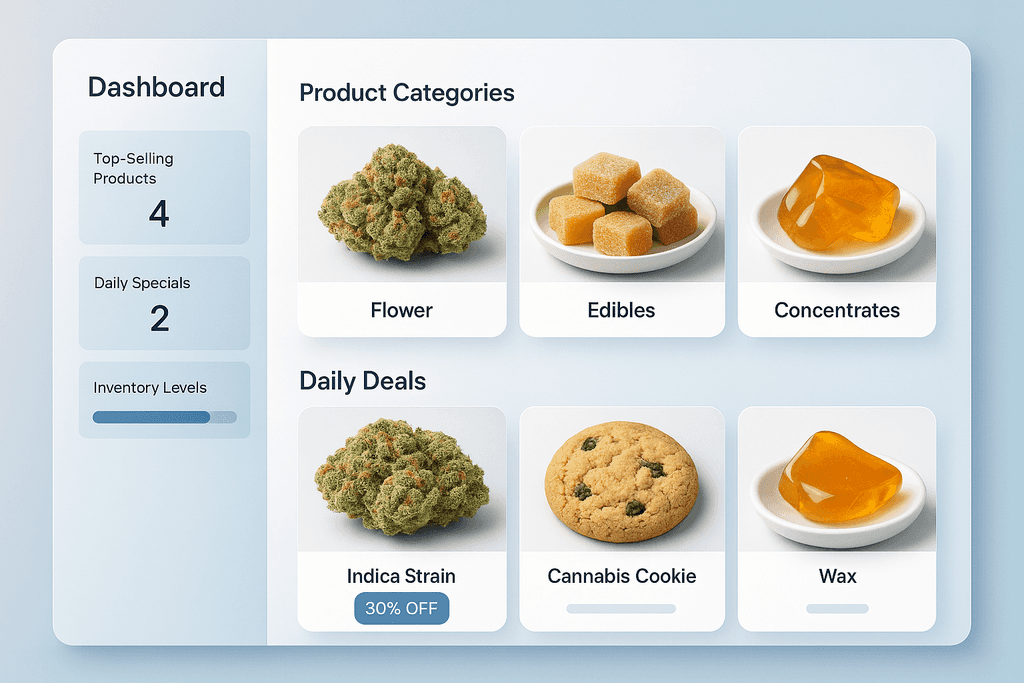
The first few years were like the Wild West, with limited competition and customers eager to try legal cannabis. Now things have settled into a more mature market where customers know what they want and have plenty of choices. Here’s what that means for dispensaries today:
- Customers compare prices and quality across multiple stores before buying
- Online ordering and pickup services have become standard expectations
- Brand loyalty matters more as people find their favorite products and shops
- Daily deals and loyalty programs help dispensaries stand out from competitors
At Kush Groove, we’ve watched this evolution firsthand with over a decade in the cannabis industry. Our Cambridge and Brockton locations serve customers who remember the early days and newcomers just discovering legal cannabis.
Regulatory Requirements That Impact Costs
Running a massachusetts recreational cannabis dispensary means following strict state rules that directly affect your budget. The Cannabis Control Commission doesn’t mess around when it comes to compliance.
- Security systems with cameras, alarms, and secure storage areas
- Seed-to-sale tracking for every product that enters your store
- Regular testing requirements for potency and contaminants
- Staff training and background checks for all employees
- Annual license renewals with substantial fees
Key Market Statistics
Understanding the numbers helps explain why budget planning matters so much for dispensaries. Here’s a snapshot of the Massachusetts cannabis market:
| Metric | Data |
|---|---|
| Recreational legalization | 2016 |
| First legal sales | November 2018 |
| Active dispensaries | 200+ |
| Daily purchase limits | 28g flower / 5g concentrate |
| State excise tax | 10.75% |
| Local tax (max) | 3% |
These numbers tell an important story about competition and costs. With over 200 dispensaries competing for customers, keeping prices reasonable while maintaining quality becomes a daily balancing act. That’s why places like Kush Groove focus on daily deals and loyalty rewards to give customers real value without cutting corners on product quality.
Licensing and Application Costs
Opening a massachusetts recreational cannabis dispensary requires navigating a complex web of fees and regulatory hurdles before you can even think about serving your first customer. The Cannabis Control Commission doesn’t make it cheap to enter this industry, and that’s by design. Between state applications, legal consultations, and municipal agreements, you’re looking at a significant investment just to get your foot in the door. Most aspiring dispensary owners underestimate these upfront costs, which can derail plans before they even begin.
Licensing and Application Costs
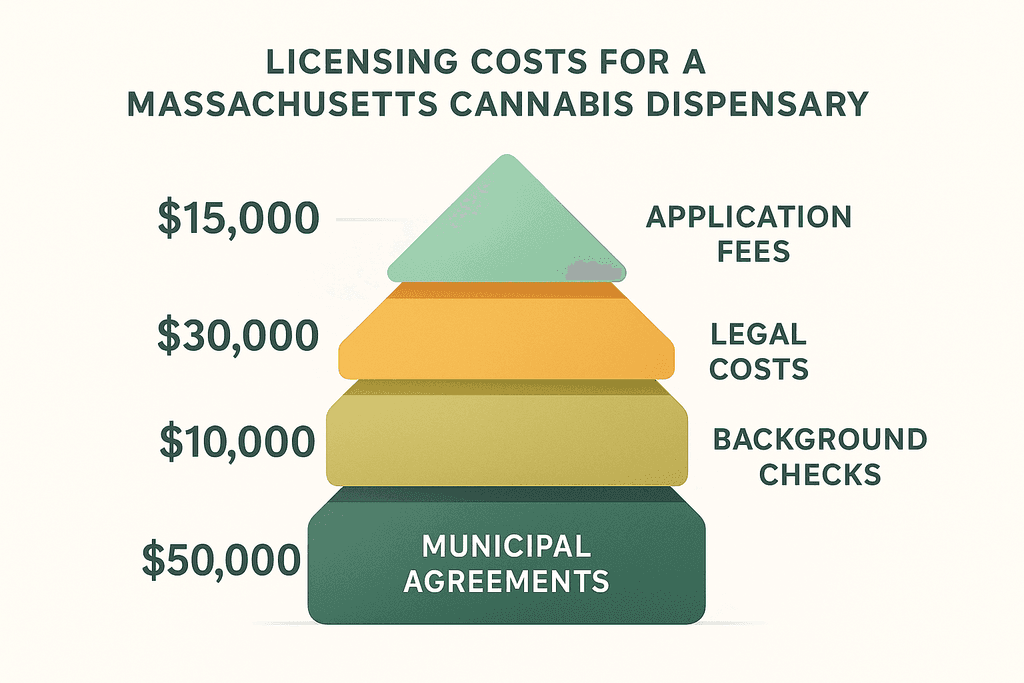
The initial application fee to the Cannabis Control Commission is $1,500, and that money is gone whether you get approved or not. Once you’re licensed, the annual renewal fee scales with your success, ranging from $10,000 to $50,000 depending on your gross revenue.
- Legal and consulting fees typically run $50,000 to $150,000 for application preparation
- Background checks, fingerprinting, and compliance documentation add $5,000 to $10,000
- Municipal host community agreements often require annual payments of 3% of gross sales
- Total licensing costs before opening can reach $75,000 to $200,000
The host community agreement deserves special attention because it’s an ongoing expense that many new operators forget to factor into their long-term budgets. Cities like Cambridge and Brockton negotiate these agreements individually, and the 3% fee applies to your gross sales, not your profit.
Real Estate and Build-Out Expenses
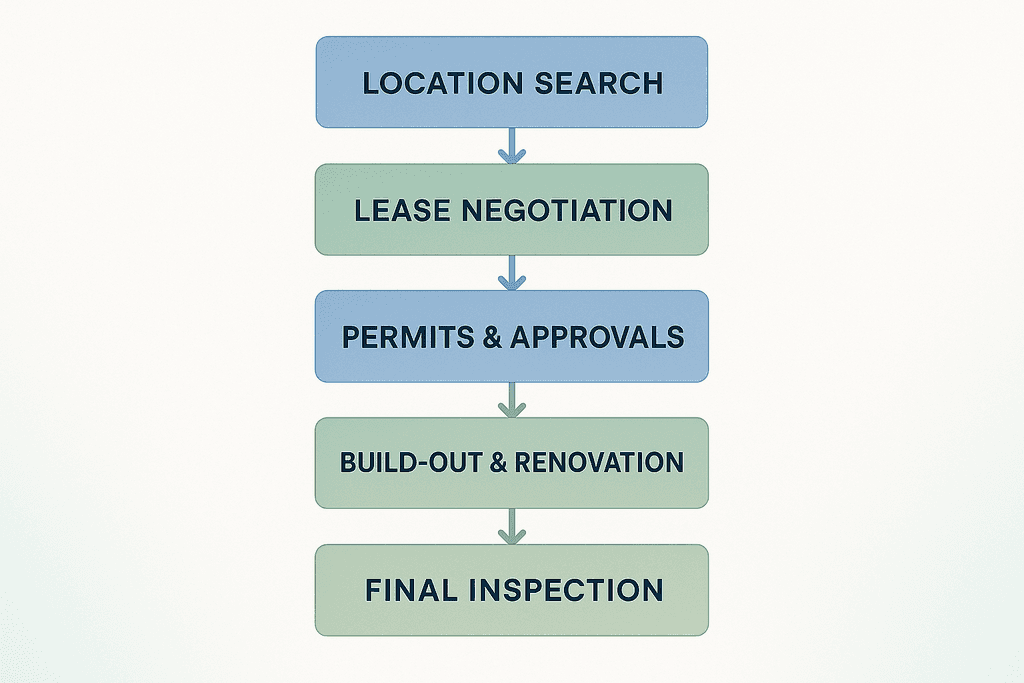
Finding the right location for a massachusetts recreational cannabis dispensary is harder than finding a needle in a haystack, and it costs a lot more too. You can’t just rent any commercial space and hang up a sign. Zoning restrictions limit where dispensaries can operate, often keeping them away from schools and residential areas. This pushes operators toward premium commercial districts where landlords know they can charge top dollar. The competition for compliant locations drives prices even higher in markets like Greater Boston.
Real Estate and Build-Out Expenses
Commercial real estate in prime Massachusetts locations costs $30 to $75 per square foot annually, and most dispensaries need between 1,500 to 3,000 square feet of combined retail and storage space. But the lease is just the beginning of your real estate expenses.
| Region | Cost per Sq Ft | Typical Space Needed |
|---|---|---|
| Boston/Cambridge | $60-$75 | 2,000-3,000 sq ft |
| Brockton | $35-$50 | 1,500-2,500 sq ft |
| Worcester | $30-$45 | 1,500-2,000 sq ft |
The build-out costs are where things get really expensive. Renovation costs range from $150 to $300 per square foot because cannabis facilities require specialized infrastructure that regular retail spaces don’t have.
- Security systems including cameras, alarms, and safes cost $50,000 to $100,000
- HVAC, electrical upgrades, and specialized storage add $75,000 to $150,000
- Total real estate investment typically reaches $400,000 to $900,000
At Kush Groove, our Cambridge location at 701 Mount Auburn St and Brockton location at 912 Crescent St both required extensive build-outs to meet state compliance standards while creating welcoming spaces for customers. The investment in proper infrastructure pays off in the long run through smoother operations and fewer compliance headaches.
Inventory, Staffing, and Operational Costs
Once your doors are ready to open, you need products to sell and people to sell them. The initial inventory investment ranges from $100,000 to $300,000 for a diverse product selection that meets customer demand. You can’t just stock one type of flower and hope for the best. Customers expect variety across flower strains, pre-rolls, edibles, concentrates, vapes, and more. Building relationships with quality suppliers takes time, and many require payment upfront or on short terms when you’re new to the market.
Your team makes or breaks the customer experience, which means staffing costs including budtenders, managers, and security run $250,000 to $500,000 annually. Good budtenders need product knowledge and people skills, and they don’t come cheap in a competitive labor market.
| Expense Category | Monthly Cost Range |
|---|---|
| Staffing | $20,000-$42,000 |
| Inventory Replenishment | $8,000-$25,000 |
| Insurance | $1,250-$3,300 |
| Technology/POS | $1,700-$4,200 |
| Marketing/Utilities | $4,200-$8,300 |
Cannabis-specific insurance policies cost $15,000 to $40,000 per year because traditional insurers won’t touch the industry. You need coverage for inventory theft, liability, and property damage at minimum.
Want to see our menu?
- Point-of-sale systems, seed-to-sale tracking, and technology run $20,000 to $50,000
- Marketing, utilities, and miscellaneous expenses add $50,000 to $100,000 annually
- Monthly operational costs typically range from $40,000 to $80,000
The seed-to-sale tracking system isn’t optional in Massachusetts. Every product must be tracked from cultivation through final sale, and the software to manage this compliance requirement represents a significant ongoing expense. These operational realities shape how dispensaries price products and structure deals to remain profitable while staying competitive.
Making Your Budget Work in a Competitive Market
Most massachusetts recreational cannabis dispensary owners discover that success isn’t just about having the biggest budget. It’s about spending smart and knowing where every dollar creates the most impact. The difference between a thriving dispensary and one that struggles often comes down to strategic choices about location, inventory, and customer retention rather than simply throwing money at problems.
Location decisions set the tone for your entire budget structure. A premium spot in downtown Cambridge might cost three times more in rent than a location in Brockton, but it doesn’t automatically guarantee three times the revenue.
Location Strategy Trade-offs
- Premium locations offer high foot traffic and visibility but eat up 15-25% of revenue in rent costs
- Value locations require stronger marketing efforts but allow more budget for inventory variety and competitive pricing
- Multi-location strategies like Kush Groove’s Cambridge and Brockton setup spread risk while serving different customer demographics
- Accessibility factors including parking and public transit access often matter more than prestige addresses
Inventory management separates profitable dispensaries from those barely breaking even. The temptation to stock everything can drain cash flow quickly.
Inventory Approach Comparison
| Strategy | Upfront Cost | Customer Appeal | Waste Risk |
|---|---|---|---|
| Extensive inventory | $150K-300K | High variety | 15-20% |
| Curated selection | $75K-150K | Quality focused | 5-10% |
| Hybrid model | $100K-200K | Balanced | 8-12% |
Smart dispensaries build supplier relationships that go beyond simple transactions. Negotiating volume discounts and payment terms can improve margins by 10-15% without raising customer prices.
Cost Efficiency Tactics
- Cross-trained staff handle multiple roles during slow periods, reducing labor costs by 20-30%
- Daily deals and loyalty programs drive repeat visits without expensive advertising campaigns
- Online ordering systems cut transaction time and reduce staffing needs during peak hours
- Inventory tracking technology prevents overstock situations and identifies fast-moving products
Kush Groove demonstrates how competitive pricing doesn’t require sacrificing quality. Their daily specials like 10 Infused FireStyxx pre-rolls for $80 or Mix & Match vape cartridges at 3 for $50 show how smart buying and efficient operations translate to customer value. The key is finding that balance between premium service and accessible pricing that keeps customers coming back.
Planning Your Dispensary Budget for Success
Opening a massachusetts recreational cannabis dispensary isn’t cheap, and the numbers don’t lie. You’re looking at anywhere from $500,000 to $2 million just to get your doors open, with licensing fees, real estate costs, and initial inventory eating up most of that budget. The three biggest expenses are always going to be your license application and fees, securing a compliant location, and stocking enough quality product to compete.
But the spending doesn’t stop once you open. Monthly operational costs like payroll, utilities, security, and compliance can add up fast if you’re not careful with your planning.
The dispensaries that make it long-term are the ones that figure out how to balance quality products with smart pricing. At Kush Groove, we’ve been in the cannabis industry for over a decade, and that experience shows in how we structure our deals like 10 Infused 1g Firestyxx pre-rolls for $80 or Mix & Match Perpetual 1g vape cartridges at 3 for $50. Those kinds of offers only happen when you’ve got your budget and supplier relationships dialed in.
The truth is that financial planning makes or breaks cannabis retail. You need enough capital to survive the first year while building your customer base, and you need to price competitively without cutting corners on quality or compliance.
Understanding these budget realities before you start can save you from some expensive mistakes down the road. But you probably still have questions about specific costs and requirements.
Common Questions About Dispensary Budgets
Opening a massachusetts recreational cannabis dispensary comes with a lot of financial questions. Most people underestimate the real costs involved, and that can lead to serious problems down the road. Here are the most common questions we hear from people looking to understand what it really takes to run a successful cannabis retail operation.
How much does a Massachusetts dispensary license cost?
The initial application fee for a massachusetts recreational cannabis dispensary license is around $1,500, but that’s just the beginning. Once approved, you’ll pay an annual license fee of $30,000 to $50,000 depending on your license type. These fees don’t include the legal costs, consultants, and compliance experts most applicants need to hire, which can add another $50,000 to $100,000 to your upfront costs.
What are the biggest unexpected expenses when opening a dispensary?
Security systems and compliance infrastructure catch most new owners off guard. You’ll need commercial-grade surveillance, alarm systems, safes, and secure storage that can easily run $100,000 or more. Banking fees and cash management costs are another surprise since many banks won’t work with cannabis businesses, forcing you to use specialized services that charge premium rates.
How long does it take to become profitable?
Most dispensaries take 18 to 36 months to reach profitability. The first year is typically spent building your customer base and working out operational issues. At Kush Groove, we’ve been in the industry for over a decade and have built a community of more than 30,000 enthusiasts, but that kind of growth takes time and consistent effort.
Can you open a dispensary with less than $500,000?
It’s extremely difficult and not recommended. While some operators claim to have done it, they usually had existing real estate or other advantages. A realistic minimum is $750,000 to $1 million when you factor in licensing, buildout, inventory, staffing, and operating capital to cover losses during your first year.
What ongoing costs do dispensary owners often underestimate?
Inventory carrying costs are huge because you need variety to compete. Testing and compliance costs never stop, and staff training is an ongoing expense that many owners don’t budget for properly. Marketing restrictions also mean you’ll spend more on community engagement and loyalty programs than traditional advertising.
How do established dispensaries keep prices competitive?
Volume purchasing power makes a big difference once you’re established. Dispensaries like Kush Groove can offer deals like 10 Infused 1g Firestyxx pre-rolls for $80 or Perpetual 14g flower for $60 because of strong vendor relationships and efficient operations. Loyalty programs and daily deals help move inventory while keeping customers happy, which is why we offer points-based rewards and special pricing for new customers at both our Cambridge and Brockton locations.